| |
|
特14月耐药,化疗无效,2992-阿西-299804-凡德-2992-T药-299804-阿西-WZ4002-凡德-T药-2992-9291-凡德,目前第三次阿西。 同时
 转让特罗凯赠药,需要联系我。 转让特罗凯赠药,需要联系我。 |
|
| |
|
“人类只有经历过悲哀才能够知道什么是快乐,你只有经过死亡以后才知道重生意味着什么,上帝给人留下了四个字,那就是希望和等待。”
|
|
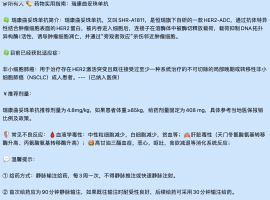 汇总4月最新:临床试验招募| 小细胞
"化疗±免疫后进展了,还能怎么办?"——这是许多小细胞肺癌患者和家属的困境。
临
汇总4月最新:临床试验招募| 小细胞
"化疗±免疫后进展了,还能怎么办?"——这是许多小细胞肺癌患者和家属的困境。
临
 母亲肺腺癌晚期骨转移,EGFR21突变,
母亲1970年出生,56周岁,身高163cm,体重98kg(196斤)。2025年9月23日肺炎住院,胸
母亲肺腺癌晚期骨转移,EGFR21突变,
母亲1970年出生,56周岁,身高163cm,体重98kg(196斤)。2025年9月23日肺炎住院,胸
 肺癌术后五年,脑膜转移治疗三年,伏
2025年8月14日更新: 终于输液港血培养结果为阴性了,14天美平消炎出院了,昨天开始双
肺癌术后五年,脑膜转移治疗三年,伏
2025年8月14日更新: 终于输液港血培养结果为阴性了,14天美平消炎出院了,昨天开始双
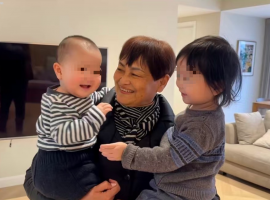 从6个月到1400多天:一位晚期肺癌患
2026年全国肿瘤防治宣传周(4月15日-21日)即将到来,今年中国抗癌协会的主题是“肿瘤
从6个月到1400多天:一位晚期肺癌患
2026年全国肿瘤防治宣传周(4月15日-21日)即将到来,今年中国抗癌协会的主题是“肿瘤
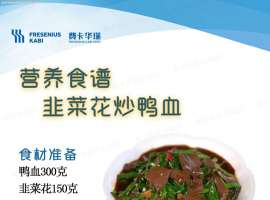 补血食谱—鸭血二菜
血红蛋白低,需补铁补血,鸭血中含有丰富的血红素铁,相对植物性食物中的铁,吸收利用
补血食谱—鸭血二菜
血红蛋白低,需补铁补血,鸭血中含有丰富的血红素铁,相对植物性食物中的铁,吸收利用
 11011102001537 )






 显身卡
显身卡